 Hola
HolaSan Fulgencio
Quiet village in the Vega Baja where expats discover authentic rural Mediterranean living away from coastal mass tourism
Discover San Fulgencio
Nestled in the sunny Vega Baja region of Costa Blanca, San Fulgencio offers the perfect blend of traditional Spanish charm and modern international community. With a population of around 8,000 residents that grows significantly with seasonal visitors, this welcoming town provides all necessary amenities while maintaining a peaceful, relaxed atmosphere.
Unlike many coastal towns, San Fulgencio has managed to preserve its authentic Spanish character while embracing its growing international community. The town is particularly known for its beautiful surrounding countryside, dotted with lemon and orange groves that perfume the air with their citrus blossoms.
Historical Significance
San Fulgencio takes its name from Saint Fulgentius, the patron saint of the town. The area has a rich history dating back to Roman times, with archaeological sites nearby testifying to its long heritage. The 18th-century church of San Fulgencio stands as a beautiful example of Spanish religious architecture.
Modern Development
In recent decades, San Fulgencio has developed welcoming residential areas like La Marina and Ciudad Quesada, which have become popular with international residents seeking the Spanish lifestyle. These communities blend seamlessly with the traditional town center, creating a unique cultural fusion.
Why Expats Choose San Fulgencio
- 300+ days of sunshine per year with a mild climate
- Close proximity to beautiful beaches (just 15 minutes drive)
- Excellent golf courses in the surrounding area
- Authentic Spanish culture alongside international communities
- More affordable property options than coastal resorts
- Friendly, welcoming atmosphere for newcomers
Brief History of San Fulgencio
San Fulgencio’s origins trace back to agricultural settlements along the fertile floodplains of the Segura River, where irrigation channels and farmland shaped everyday life. The modern village took form in the 18th century, named in honour of Saint Fulgentius of Cartagena, a revered bishop from late antiquity whose legacy inspired devotion in the region.
For much of its history, San Fulgencio remained a quiet farming community, its prosperity tied to cereals, citrus, and vegetables cultivated in rich soils. Life revolved around the church, the weekly market, and traditional seasonal cycles.
In the latter half of the 20th century, the municipality experienced a transformation with the creation of La Marina urbanisation. This development attracted residents and visitors from across Europe, slowly turning the town into a multicultural hub while retaining its Spanish village core. Today, San Fulgencio’s past is reflected in its preserved historic centre, annual fiestas rooted in centuries-old traditions, and its continuing link to the surrounding countryside.
Glimpses of San Fulgencio

Enjoy outdoor activities and nature (photo to be changed)
Wander through the town's peaceful streets and enjoy the surrounding countryside perfect for walking and cycling.
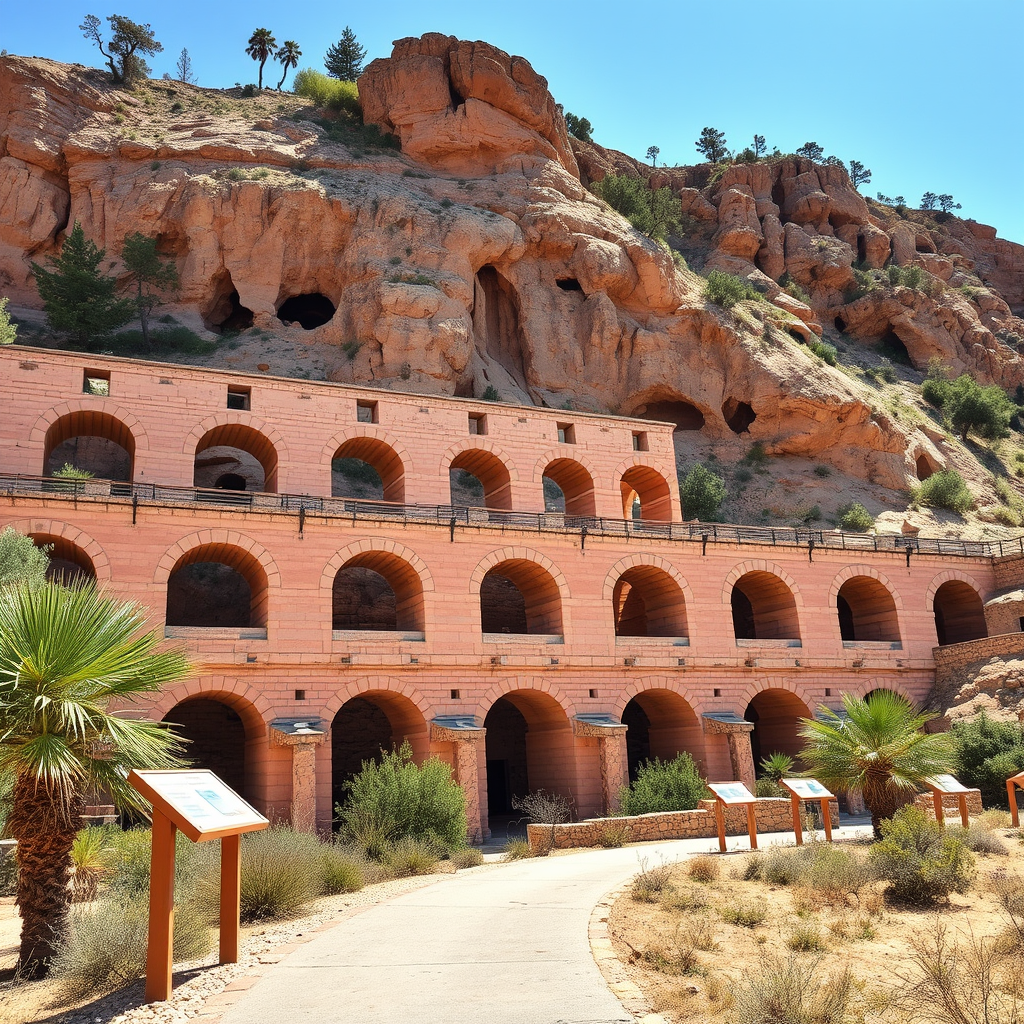
Visit nearby natural attractions (photo to be changed)
Explore the salt flats of Santa Pola and the stunning beaches of Guardamar del Segura, both just a short drive away.
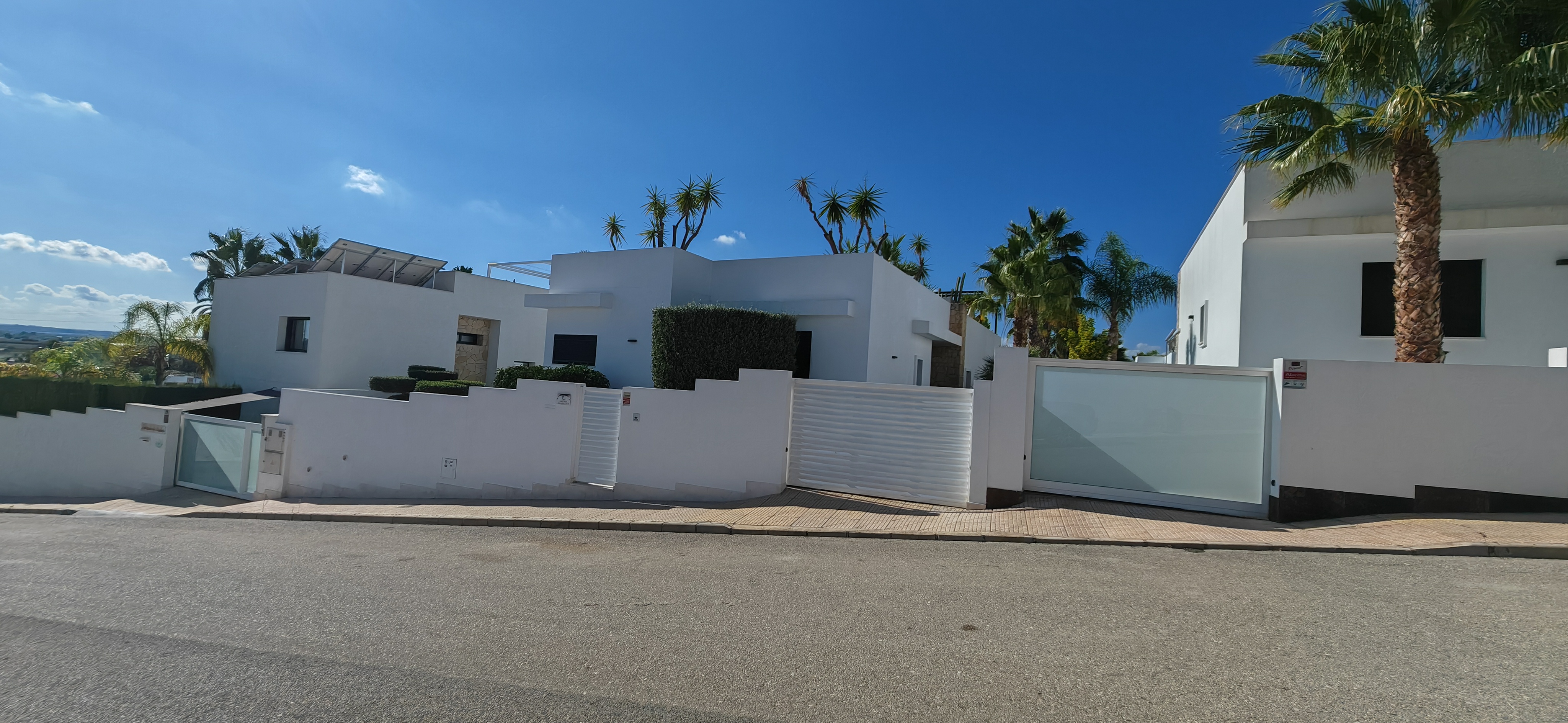
Discover local culture (photo to be changed)
Visit the Municipal Archaeological Museum and experience authentic Spanish village life with its preserved traditions.
Festivals & Culture
San Fulgencio celebrates its patron saint festivals in mid-January, honoring both San Fulgencio and San Antonio Abad (patron saint of animals). These festivities include parades with music bands, solemn processions, the blessing of animals, and firework displays.
The town also hosts a popular Tapas Route, showcasing local gastronomy with participating restaurants offering traditional dishes. San Fulgencio is known for its delicious cuisine, including traditional fish and seafood dishes and local products such as olive oil and olives.
A unique local tradition is the "Pedida de la Gallina" (Request of the Hen), a curious custom that visitors can experience during the town's festivities.
Living in San Fulgencio
For expats considering life in San Fulgencio, the town offers a welcoming international community with a high percentage of European residents. With over 60% of residents being foreign nationals, particularly from the UK and other EU countries, English is widely spoken, making integration easier for newcomers.
The town has good facilities including healthcare centers, shops, restaurants, and leisure amenities. Popular nearby attractions include Rojales AquaPark and La Marquesa Golf. It's well-connected by road to Alicante (approximately 40 minutes drive) and the beaches of Guardamar del Segura (about 10 minutes drive), offering the perfect balance between peaceful town living and coastal access.
Property prices in San Fulgencio are generally attractive, with options ranging from apartments to detached villas, making it an appealing choice for retirees and those seeking a relaxed Mediterranean lifestyle.
Geolocation of San Fulgencio (ES)
Timezone: Europe/Madrid
Geoname ID: 2514997
Latitude & Longitude: 38.1133,-0.7173
Demographics of San Fulgencio
Population statistics and demographic data (January 2024)
👥 Total Population
- Males 4,788 (49.9%)
- Females 4,799 (50.1%)
📊 Age Distribution
- 0-17 years 971 (10.1%)
- 18-64 years 4,517 (47.1%)
- 65+ years 4,099 (42.8%)
🌍 Citizenship
- Europe (non-EU) 3,574 (37.3%)
- Spanish 3,175 (33.1%)
- European Union 2,242 (23.4%)
- African 302 (3.1%)
- American 165 (1.7%)
- Asia & Oceania 129 (1.3%)
🏠 Place of Birth
- Born in Europe (non-EU) 3,532 (36.8%)
- Born in Spain 3,091 (32.2%)
- Born in EU 2,160 (22.5%)
- Born in Africa 339 (3.5%)
- Born in America 314 (3.3%)
- Born in Asia & Oceania 151 (1.6%)
Official population register data